
Summer Shorts
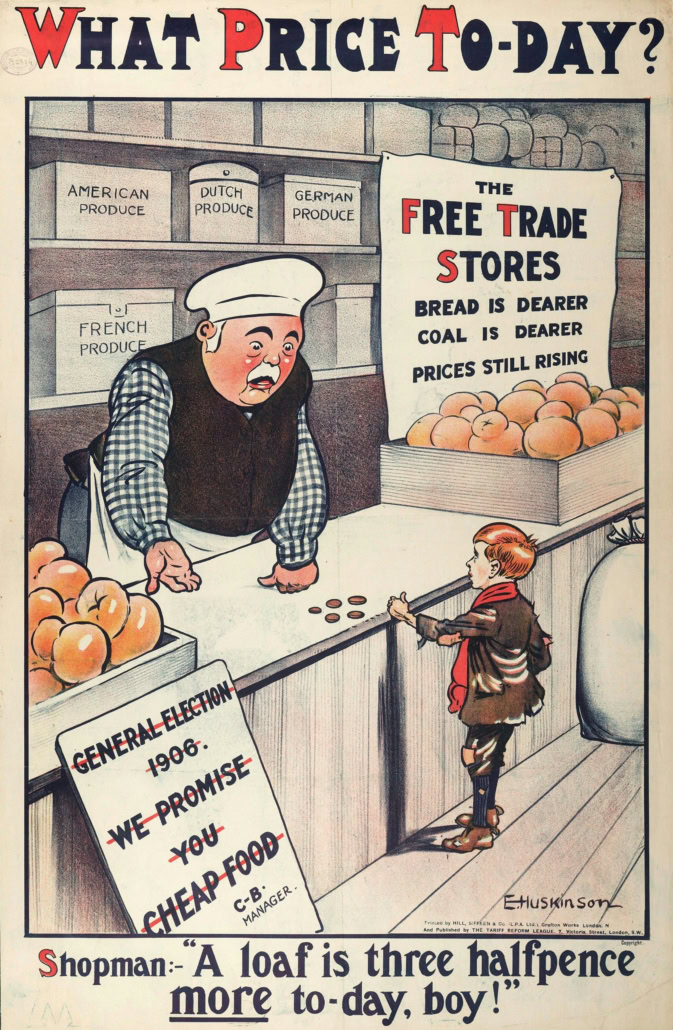
I went out to lunch with friends the other day across from IHC’s mega hospital to a chain restaurant not of my choosing. The food was horrible, like warmed from a SYSCO bag of product produced in San Diego and shipped to chains around the west. Generally, I’ve always seen the parking lot there full, but at the noon rush hour there were only five tables full that hour in a restaurant that seats 144. And I’ve noticed restaurants closing as of late. What’s up? Simply, the economy is beating up both consumers and businesses alike.
For example, according to the USDA, the U.S. beef cattle herd has reached its lowest size since President Truman’s administration (1945-1953), with total cattle and calves at 86.2 million head as of January 1, 2026 — the smallest inventory in 75 years The beef cow herd is even more dire, down 1% to 27.6 million head, the lowest since 1961. Predictions are for a small calf crop and tight feed supplies will push beef prices higher and higher this year, which explains in part why ground beef is at $6 a pound these days. Other factors such as drought in much of the country is causing some ranchers and farmers to cull their herds. Plus, the price of fertilizers and gas is rising drastically.
If you like a good steak, then you may also like a garlic-based chimichurri sauce on top, or garlic fries with your slab of meat? There’s a garlic shortage outlook for this year due to (again) weather, production and supply chain issues. California produces about 90% of the U.S. crop of this spicy bulb but garlic powder, granulated garlic and chopped garlic (think ‘jar-lic’, the chopped stuff in a glass jar) for most food brands is produced in China. China produces over 10 billion pounds of garlic a year, grown by over 1.2 million farmers there.
I gleaned from several websites’ predictions for more shortages this year. I’m not trying to scare you, just sharing some facts based on weather, labor and supply issues affecting food. For example, olive oil production is at a low because areas in Spain, Greece and Jordan have experienced both massive drought, heatwaves and heavy rainfalls. Increased demand by people on Keto/high protein diets has seen massive demand for low carb alternatives like frozen veggies, and farmers have also been victims of extreme weather and crop yields. Same is true with spices like black pepper and cumin and there were some early frost kills in the southern U.S. that has affected citrus production there and the supply chain has shifted more towards California for our need for lemons, limes, oranges, etc. You may have noticed that after 80 years, Minute Maid orange juice concentrate has been discontinued. Grain harvests have been in chaos and profits at your favorite cereal producer (General Mills) were down 32% last year, causing some products to be discontinued. Happy news tho-some cereals will bring back prizes in the boxes to lure you to buy their product later this year.