
Purge your spurge
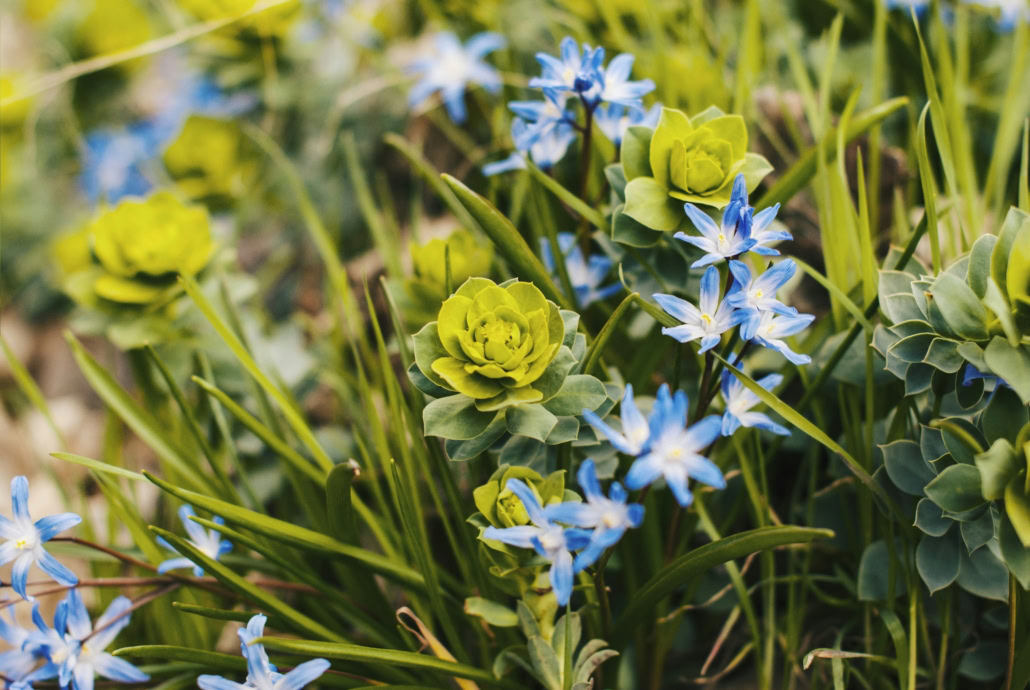
I recently filmed some social media (@thebabsdelay) about purging your spurge. Most folks I’ve talked to had no idea that this plant known as Myrtle Spurge (aka: Donkey Tail or Burro Tail) grows low to the ground and thrives in crappy soils, looks like a pleasing silvery succulent and has lovely little yellow flowers this time of year is a wonderful …and deadly…landscaping addition to their properties. It is proliffic in the foothills and in arid areas of the state, but it’s an invasive species found within our borders not native but found in southeastern Europe, parts of Asia Minor and the Mediterranean region. It came to Utah back in the last century and was valued by landscapers and home gardeners for it’s attractive foliage, low water needs and ability to grow in bad soil. Utah nursuries promoted it as a ‘waterwise’ ornamental perennial, a unique new plant that ticked off all the good things it could offer homeowners. It even won the UK’s Royal Horticultural Society’s Award of Garden Merit which gave it credibility that helped sales here in the U.S. Sadly, the spurge spread out from homes to open areas which is logical, as seeds from the plant blast out up to 15 feet once the pods open. Of course birds eat the seeds and poop them out all over residential and open lands areas of the state which feeds the vicious growth cycle of the spurge.
So what’s bad about myrtle spurge? Simply put, it crowds out native plants by forming dense patches of it, destablizes the soil underneath, and reduces biodiversity. Worse, it’s abundant milky white sap is toxic to both humans and animals. It’s easy to dig up as the roots aren’t deep, but you must use some kind of gloves and protect your mouth and eyes. And utahweed.org says that herbicides can be effective to purge this plant from your yard. It has become a Class 4 Noxious Weed, which bans the sale or propagation of the plant.
There are plenty of other invasive plant species in our state, including cheatgrass, tumbleweeds, giant canes (sucking up water like crazy), bromes, some types of thistles, tamarisk (found along the Green, and Colorado River banks as well as around Utah Lake and Farmington Bay). Besides plants, there are also invasive animal species like Rock pigeons, American bullfrogs and the Fox Squirrels who not only compete with native species but can introduce diseases to other animals.
.Tip: If you see an invasive plant or animal in Salt Lake City, photograph it, note the location, and report it to the Salt Lake County Noxious Weed Program or Utah DAF’s UIS dashboard. This helps coordinate control efforts and protects native ecosystems.